


Menopause, a naturally occurring biological phenomenon, marks the conclusion of a woman’s reproductive years. Typically manifesting in women aged between 45 and 55, with an average onset age of approximately 51, menopause carries substantial implications in a woman’s life, encompassing diverse physical and emotional changes. In this article with Gaudium IVF, the IVF Center in Bangalore we will delve into the origins, manifestations, and strategies for addressing menopause.
Underlying Causes of Menopause:
The primary cause of menopause is the gradual aging of a woman’s ovaries. Women are endowed with a finite reserve of eggs at birth, and as they age, the quality and quantity of these eggs diminish. This deterioration in ovarian function results in a reduction of two pivotal hormones, estrogen and progesterone. Consequently, the menstrual cycle becomes erratic and eventually ceases, thereby initiating the onset of menopause.
Symptoms of Menopause:
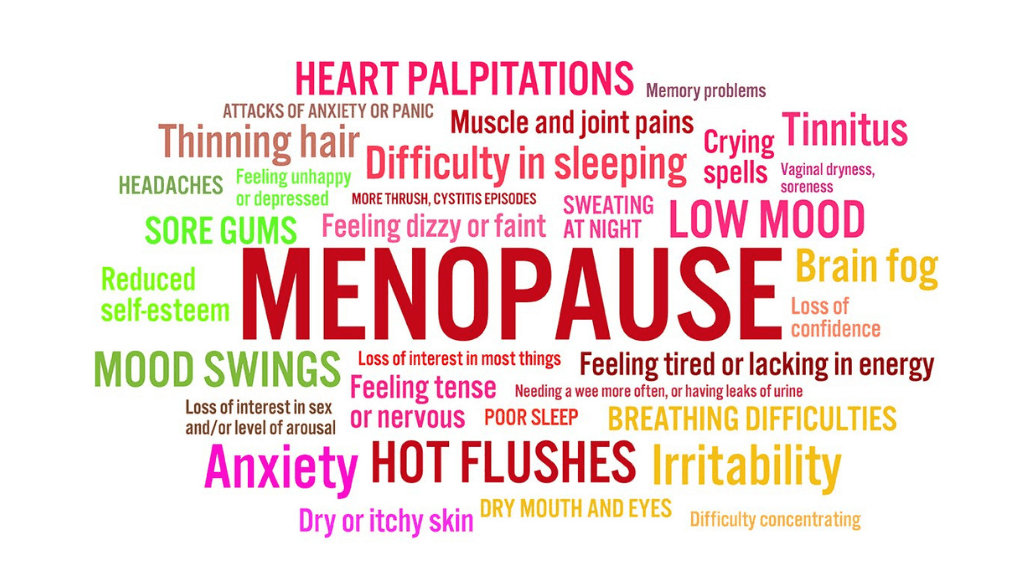
Menopause occurs in a broad spectrum of both physical and emotional symptoms, which are subject to variation from one woman to another. Common indicators comprised of:
- Episodes of hot flashes
- Nocturnal perspiration
- Vaginal dryness
- Disruptions in sleep patterns
- Changes in skin elasticity
- Urinary incontinence
- Hair thinning
- Sore or tender breasts
These manifestations are frequently attributed to the hormonal fluctuations that characterize this phase. Hormonal imbalances can also impact emotional stability and cognitive abilities, yielding mood swings, irritability, and difficulties in maintaining focus.
Health Consequences:
Menopause bears substantial implications for a woman’s overall health. The depletion of estrogen levels elevates the risk of osteoporosis, a condition that renders bones brittle and susceptible to fractures. Additionally, the reduction in estrogen levels can heighten the likelihood of heart disease and exert influences on cholesterol profiles. It is important for women going through menopause to prioritize their skeletal and cardiovascular health through the adoption of prudent dietary choices, regular physical activity, and, in certain instances, hormone replacement therapy.
Management and Therapeutic Approaches:
Effectively addressing the symptoms of menopause constitutes a critical facet of this life stage. A variety of strategies exist to alleviate discomfort. Hormone replacement therapy (HRT) represents a frequently employed remedy, involving the administration of estrogen and, at times, progesterone to offset the diminishing hormonal levels. HRT can be administered through multiple modalities, including oral pills, transdermal patches, topical creams, and gels.
Non-hormonal alternatives are also available, often prescribed to mitigate mood swings and hot flashes. Lifestyle modifications, including adherence to a nutritious diet, regular physical exercise, and the cultivation of stress-coping mechanisms, can serve to manage menopausal symptoms effectively.
Emotional Impacts:
Menopause is not merely a physiological transition but also a realm of emotional experiences. Women may grapple with a spectrum of sentiments during this period, encompassing sadness, anxiety, and a sense of isolation associated with the culmination of their reproductive years. Seeking support from healthcare professionals, and therapists, and participating in support groups are crucial to adeptly navigating these emotional challenges.
In Conclusion: Menopause represents a natural phase in a woman’s life, signaling the conclusion of her reproductive capacity. It introduces a medley of physical and emotional manifestations, addressable through medical interventions, lifestyle adaptations, and emotional bolstering. A nuanced comprehension of menopause and its implications for health is pivotal as women approach this momentous life juncture. By embracing menopause as an integral facet of the aging process and availing themselves of fitting support and healthcare, women can traverse this phase with grace while upholding their holistic well-being.